
From Ajman to the World: How Label Factory Ships Custom Labels Across the GCC
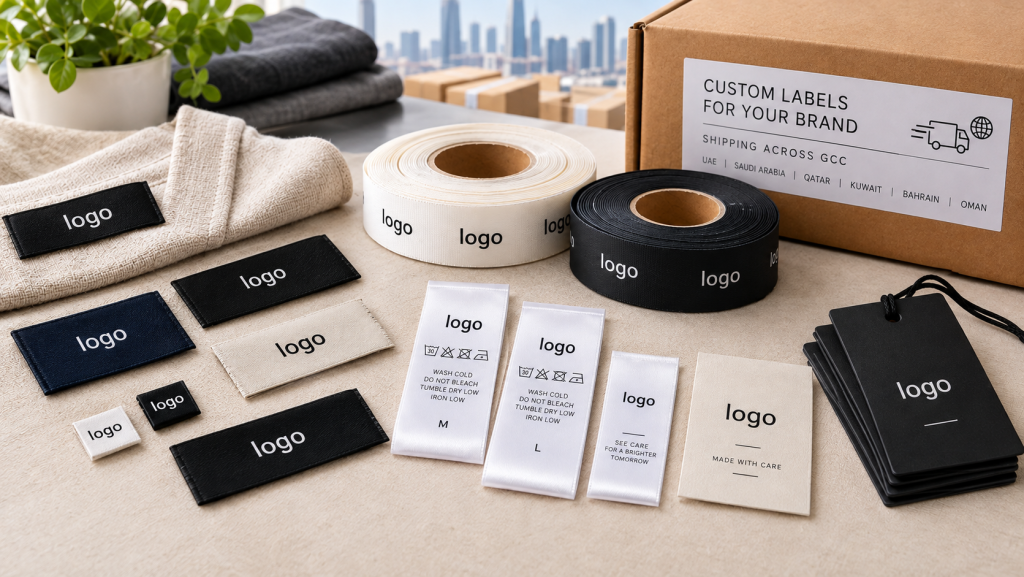
In today’s competitive fashion and textile industry, product labels are more than just small pieces of fabric or printed material. They represent a brand’s identity, communicate essential product information, and help businesses create a professional impression. Whether you run a clothing brand in Dubai, a fashion business in Saudi Arabia, or a textile company in Qatar, choosing the right supplier for custom labels in the UAE is an important step in building your brand.
Based in Ajman, Label Factory provides a convenient starting point for businesses looking for customized garment branding solutions. From woven brand labels to satin and printed labels, choosing the right label depends on your product, design requirements, and intended application.
As businesses increasingly work with suppliers across the Gulf Cooperation Council (GCC), understanding the process of ordering, preparing, and shipping custom labels becomes essential. This guide explores what businesses should consider when sourcing custom labels from Ajman for delivery across the GCC.
Why Businesses Across the GCC Need Custom Labels
The GCC market includes fashion brands, clothing manufacturers, uniform suppliers, textile companies, and retailers. For these businesses, product presentation and consistent branding play an important role in building customer recognition.
Custom clothing labels help businesses display brand names, logos, size information, care instructions, and other relevant product details. The appropriate label can also enhance the appearance of a finished garment.
Common applications of custom labels include:
-
- Fashion and apparel: Brand labels, size labels, and care labels for shirts, dresses, trousers, and other clothing.
-
- Corporate uniforms: Customized labels for hospitality uniforms, office wear, school uniforms, and workwear.
-
- Textile products: Labels for towels, bedding, and other fabric-based products.
-
- Private-label businesses: Branded labels for products sold under a company’s own brand name.
-
- Emerging fashion brands: Customized labels that help new businesses establish a consistent brand identity.
For companies operating across the UAE, Saudi Arabia, Qatar, Kuwait, Bahrain, and Oman, selecting suitable labels is an important part of maintaining consistent product presentation.
Why Choose a Custom Label Supplier in Ajman?
Ajman is part of the UAE’s wider commercial network, making it a potential sourcing location for businesses seeking customized products and manufacturing services.
Working with a UAE-based label supplier can help businesses coordinate product specifications, communicate design requirements, and discuss order arrangements through a regional point of contact.
Access to Different Types of Custom Labels
Different garments require different label materials and finishes. Woven labels are commonly used for brand names and logos, while satin labels are often chosen for their smooth texture. Printed labels can accommodate detailed text, symbols, and care information.
The right choice depends on the garment, intended placement, required durability, and overall branding style.
Custom Designs for Different Brands
Every business has its own visual identity. Custom labels allow companies to incorporate their brand names, logos, colors, and other design elements into their products.
Before production begins, businesses should confirm the artwork, dimensions, material, folding style, colors, and required quantity. Clear specifications help reduce errors and improve consistency.
Convenient Regional Order Coordination
For businesses in the UAE and neighboring GCC countries, a supplier based in Ajman provides a regional point of contact for discussing custom label requirements.
Production schedules, shipping costs, delivery destinations, and estimated arrival dates should be confirmed before an order is finalized.
How Custom Labels Are Prepared for Shipping Across the GCC
Shipping custom labels involves more than transporting a finished package. Proper planning, accurate specifications, and suitable packaging help businesses receive the labels they ordered.
Step 1: Understanding the Customer’s Requirements
The first step is identifying the type of labels the business needs. A fashion brand may require woven brand labels, while a uniform supplier may need printed size labels and care labels.
Important details include:
-
- Label type and material
-
- Label dimensions and folding style
-
- Brand logo and artwork
-
- Required colors
-
- Order quantity
-
- Intended application
-
- Delivery destination and target date
Providing these details early helps establish clear expectations and supports an efficient ordering process.
Step 2: Preparing the Custom Label Design
Once the requirements are established, the design must be prepared for production. Businesses should provide clear artwork and confirm the placement of text, logos, and other design elements.
Small labels require particular attention to readability. Fine text and intricate graphics may need adjustments to work effectively at the final size.
Approving the artwork before production helps ensure that the finished labels reflect the intended brand identity.
Step 3: Selecting the Right Label Material
Material selection affects the appearance, texture, durability, and suitability of a label.
Woven labels are commonly used to display brand names and logos. Satin labels offer a smooth finish and are frequently used for garment information. Printed labels are suitable for designs that require detailed text, symbols, or care instructions.
Businesses should consider the type of garment, label placement, washing requirements, and desired appearance before selecting a material.
Step 4: Production and Quality Checks
After the artwork and specifications are approved, the order can move into production according to the agreed schedule.
Depending on the label type, quality checks may include reviewing dimensions, colors, text readability, logo placement, finishing, and folding requirements.
For companies ordering labels for multiple product lines, maintaining consistent specifications is particularly important. Standardized designs help businesses preserve a uniform brand appearance across different production batches.
Step 5: Packing Custom Labels for Transportation
Once the labels are ready, they should be counted, organized, and packed appropriately for transportation.
Suitable packaging helps protect labels from dust, moisture, bending, and handling during transit. Clear identification of different designs and quantities can also make receiving and organizing an order easier.
For larger commercial orders, businesses should confirm packaging arrangements, quantities, and any special handling requirements before dispatch.
Step 6: Coordinating Delivery to GCC Countries
The final stage involves arranging transportation to the customer’s destination. Depending on the supplier’s service coverage and shipping arrangements, businesses may enquire about deliveries to Saudi Arabia, Qatar, Kuwait, Bahrain, and Oman.
Delivery arrangements can vary depending on the shipment size, courier or freight service, destination, and applicable customs requirements.
Before placing an order, customers should confirm:
-
- Whether delivery is available to their destination
-
- Estimated production and transit times
-
- Shipping and handling charges
-
- Required shipping documents
-
- Applicable customs duties or import taxes
-
- The delivery address and receiving contact details
These details help businesses plan their inventory and production schedules more effectively.
Custom Label Solutions for Businesses Across the GCC
Different GCC markets have varied requirements for fashion, apparel, uniforms, and textile products. Custom labels help businesses maintain consistent branding while meeting the practical needs of their products.
Custom Labels for Businesses in Saudi Arabia
Saudi Arabia has a diverse market for fashion, apparel, uniforms, and textile products. Clothing brands and garment suppliers may require woven labels, printed labels, size labels, and care labels for different product categories.
Businesses sourcing labels from the UAE should confirm product specifications, quantities, shipping arrangements, and any applicable import requirements before ordering.
Custom Labels for Businesses in Qatar
Fashion brands, uniform suppliers, and textile businesses in Qatar may need labels that provide consistent branding across their product ranges.
Custom labels can display brand names, logos, sizes, and care information, depending on the intended application. Accurate artwork and clear specifications help businesses prepare orders more efficiently.
Custom Labels for Businesses in Kuwait
Clothing brands and garment suppliers in Kuwait can use custom labels to create a recognizable identity across their collections.
Material selection, label dimensions, typography, and placement are important considerations. Confirming these details before production can help avoid unnecessary revisions.
Custom Labels for Businesses in Bahrain
Fashion startups, retailers, and uniform suppliers in Bahrain may require customized labels for new product launches and repeat production runs.
Maintaining consistent artwork and specifications can help businesses preserve a uniform appearance across different batches of garments.
Custom Labels for Businesses in Oman
Apparel and textile businesses in Oman can use woven, satin, and printed labels for a range of product applications.
The appropriate option depends on the garment, branding requirements, and intended use. Businesses should also confirm delivery timelines, shipping charges, and applicable customs procedures when arranging cross-border shipments.
Important: Shipping availability, minimum order quantities, production lead times, and delivery terms should be confirmed directly with Label Factory before placing an order.
What to Consider Before Ordering Custom Labels Internationally
Planning a custom label order carefully can help prevent avoidable delays and production errors.
Confirm the Final Artwork
Check the spelling, logo proportions, colors, dimensions, and required information before approving the design. Any corrections should ideally be completed before production begins.
Choose the Appropriate Material
Select a material that suits the garment, intended placement, desired appearance, and expected use. Consider how the label will feel against the skin and whether it needs to withstand frequent washing.
Verify the Order Quantity
Confirm the number of labels required for each design, size, or product line. A clear quantity breakdown helps reduce confusion when placing an order.
Ask About Production and Delivery Times
Production time and shipping time are different. Ask for both estimates when planning around a product launch, seasonal collection, or manufacturing deadline.
Provide Accurate Delivery Information
Share the complete delivery address, recipient details, contact number, and any special instructions needed by the shipping provider.
Understand Cross-Border Shipping Requirements
Ask which documents are required and whether customs clearance charges, import duties, taxes, or other fees may apply.
Keep Specifications for Repeat Orders
Save approved artwork, material details, dimensions, colors, and folding specifications. These records can help maintain consistency when ordering labels for future collections.
Why Reliable Custom Labels Matter for Growing Brands
Labels may be small, but they can make a significant difference to the presentation of a finished product. Incorrect dimensions, inconsistent colors, unreadable text, or unsuitable materials can affect the appearance of garments and create additional work for production teams.
Working with a suitable label supplier helps businesses communicate their requirements clearly and plan future orders more effectively.
For growing fashion brands, maintaining consistent label designs across production batches also supports brand recognition. Uniform suppliers and textile manufacturers can benefit from clear product specifications and organized ordering processes.
When choosing a supplier, consider more than the initial price. Material suitability, customization options, quality checks, communication, order accuracy, and delivery arrangements are all important factors.
Businesses looking for custom clothing labels in the UAE should choose solutions that meet their product requirements and support their long-term branding needs.
Label Factory: Your Starting Point for Custom Label Requirements
From fashion startups to established clothing businesses, custom labels help communicate brand identity and give finished products a professional appearance.
Whether you need woven brand labels, satin labels, printed labels, size labels, or care labels, choosing the right specifications is essential to achieving the desired result.
Label Factory, based in Ajman, is a point of contact for businesses exploring custom label solutions in the UAE. Customers can discuss their requirements, confirm available label options, and enquire about delivery arrangements for their destination.
By preparing artwork carefully, confirming product specifications, and discussing shipping requirements in advance, businesses can plan their custom label orders with greater confidence.
Contact Label Factory for Custom Labels in the UAE and GCC
Looking for custom labels for your clothing brand, textile business, or garment manufacturing operation?
Contact Label Factory to discuss your requirements for custom woven labels, satin labels, printed labels, and other garment branding solutions.
When enquiring, share your preferred label type, design or logo, dimensions, quantity, and delivery location so the team can assess your requirements and advise on the available options.
Visit https://labelfactory.ae/ today to enquire about custom labels and discuss delivery options for your business in the UAE or GCC.
Frequently Asked Questions
Does Label Factory supply custom labels to GCC countries?
Contact Label Factory to confirm delivery availability for your destination, including Saudi Arabia, Qatar, Kuwait, Bahrain, and Oman. Shipping coverage and terms should be verified before placing an order.
What types of custom labels can I order?
Common label types include woven labels, satin labels, printed labels, brand labels, size labels, and care labels. Contact Label Factory to confirm its available products and customization options.
How long does it take to receive custom labels from Ajman?
The overall timeline depends on artwork approval, production requirements, order quantity, packing, and transportation. Confirm the expected production and shipping times before placing your order.
What information is required to request a custom label quotation?
Provide the label type, artwork, dimensions, material preference, folding style, quantity, and delivery destination. Include any special requirements and your target delivery date.
Can I order custom labels for my clothing brand?
Custom labels can display your brand name, logo, size information, and care instructions, depending on the label type. Discuss your intended application with the supplier to determine the most suitable option.
Are customs duties included in the shipping price?
Customs duties, import taxes, and clearance charges depend on the destination and shipping arrangement. Confirm which costs are included in the quotation and whether additional charges may apply.
How can I maintain consistency when reordering custom labels?
Keep copies of the approved artwork, material details, dimensions, colors, folding style, and previous order specifications. Sharing these details helps communicate your requirements for future orders.
Ready to Create Premium Satin Labels for Your Brand?
Give your garments a professional finish with high-quality custom labels from Label Factory. Whether you need woven labels, satin labels, printed labels, or garment care labels, we're here to help you explore the right solution for your business.
Contact Label Factory today at https://labelfactory.ae/ to discuss your label requirements and enquire about delivery options across the UAE and GCC.
